Knife marks on a cutting board are not just an aesthetic issue, but also a hidden food safety hazard!
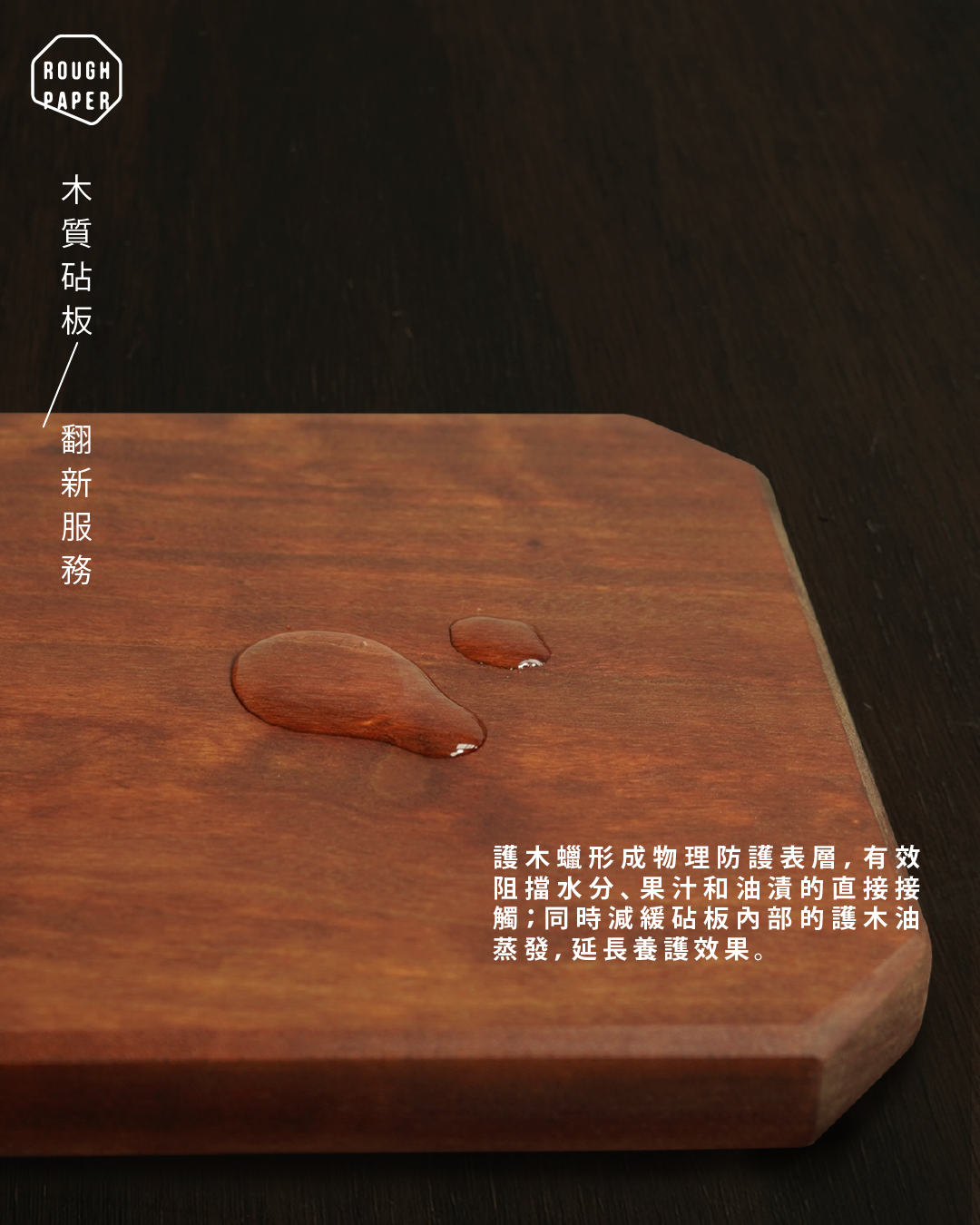
Knife marks on cutting boards are often more threatening than surface grime, as these tiny grooves are the perfect "haven" for bacteria and mold. Regularly refurbishing and oiling wooden cutting boards can effectively improve hygiene, maintain aesthetics, and make the cutting board more durable!
Food Safety Risks Hidden in Knife Marks
- Breeding ground for bacteria: Knife marks penetrate deep into the material, allowing moisture, protein, and food residues to seep in and accumulate, forming a difficult-to-scrub biofilm.
- Types of pathogenic bacteria: Common culprits include E. coli and Staphylococcus aureus. In severe cases, even carcinogenic Aspergillus flavus may proliferate.
- Cross-contamination: When you cut ready-to-eat foods (such as fruits, cooked foods) on an old cutting board full of knife marks, bacteria hidden deep within can return to the food surface with the knife blade.
Characteristics of Knife Marks on Different Materials
- Wood/Bamboo: The fibrous structure is like a sponge, easily absorbing juices. Although wood itself has certain antibacterial properties, deep knife marks, if not thoroughly air-dried, are extremely prone to mold and blackening.
- Plastic: Knife marks are most noticeable after prolonged use. Research indicates that, compared to wood, damaged plastic surfaces are harder to manually clean and disinfect, and bacteria have a higher survival rate.
- Stainless steel/Tempered glass: High hardness, not prone to knife marks, making them easier to clean from a hygienic perspective, but they cause greater wear and tear on knife blades.
Cleaning and Replacement Recommendations
- Separate use: Cutting boards for raw and cooked foods must be kept separate to prevent bacteria from raw meat from being transferred to cooked food via knife marks.
- Avoid direct rinsing with hot water: After handling raw meat, protein will coagulate in the knife marks when exposed to heat, making it harder to clean. First, rinse off residue with cold water, then disinfect.
- Deep disinfection: Regularly scrub knife marks with salt and lemon to deodorize and sterilize.
- Timely disposal: If the cutting board shows obvious blackening, mold, or excessively deep knife marks, it is recommended to replace it immediately. Generally, cutting boards should be replaced every 2-3 years.